In a stirring commencement address at Carnegie Mellon University, NVIDIA founder and CEO Jensen Huang told graduates they are entering the world at an extraordinary moment—the beginning of the AI revolution. He drew parallels to his own start during the PC revolution, emphasizing that this generation has unprecedented tools and opportunities. Below are key questions and answers from his speech, covering the AI era's impact on careers, industry, and society.
What Did Jensen Huang Say About the Timing for Graduates?
Huang called the current moment extraordinary, stating that a new industry is being born and a new era of science and discovery is beginning. He noted that no previous generation has entered the world with more powerful tools or greater opportunities. “We are all standing at the same starting line,” he said, urging graduates to help shape what comes next. Huang emphasized that every major computing shift—PCs, the internet, mobile, cloud—led to this shared moment, and now AI makes intelligence foundational to every industry. This timing, he argued, is perfect for graduates to realize their dreams, as AI reaches everyone and closes the technology divide.
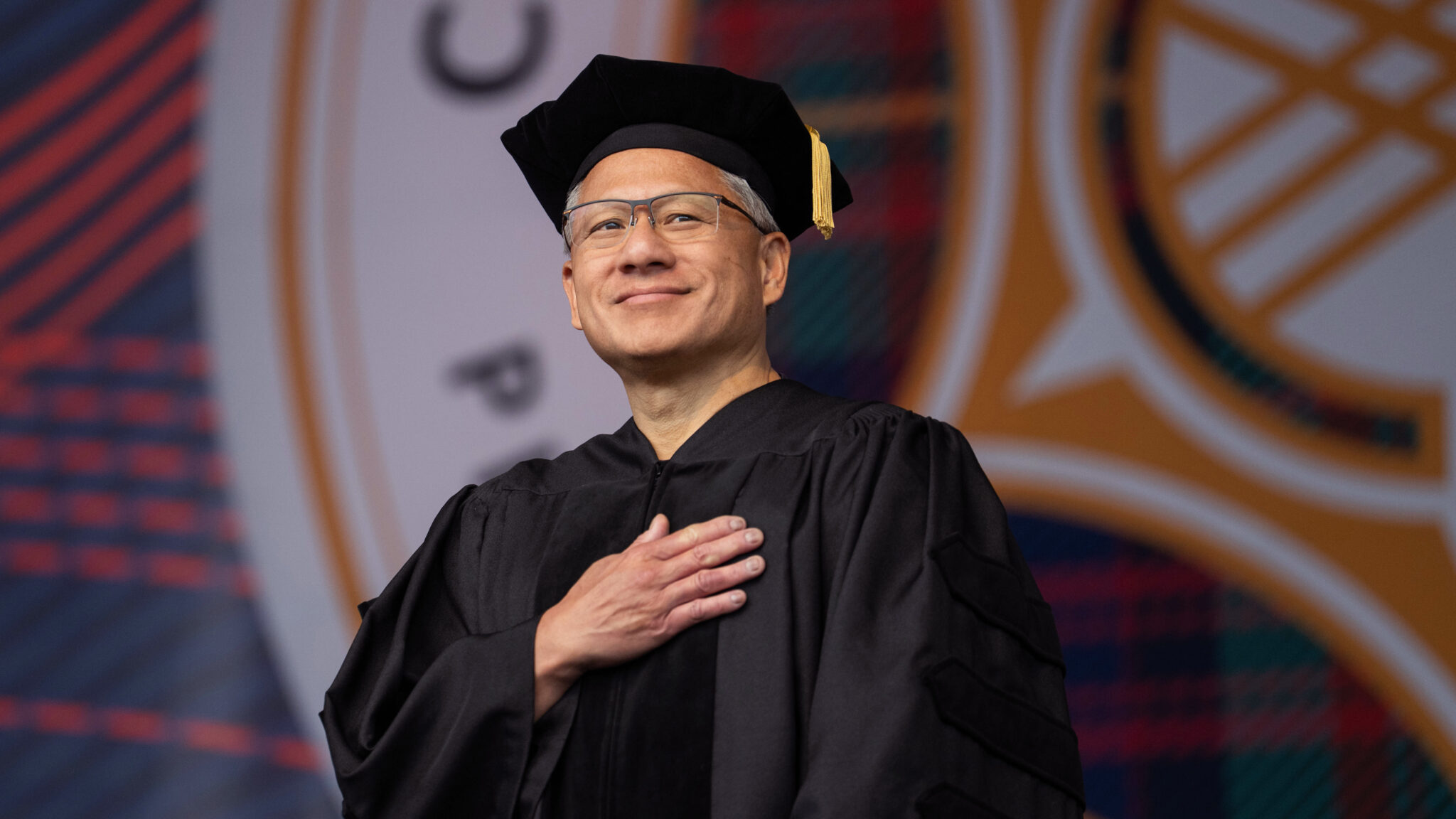
How Does Huang Compare the AI Revolution to the PC Revolution?
Huang drew a direct parallel between starting his career at the beginning of the PC revolution and graduates starting theirs at the dawn of AI. He recalled that the PC revolution democratized computing, sparking new industries and jobs. Similarly, the AI revolution democratizes intelligence—something more fundamental. “But what is about to happen now is bigger than anything before,” Huang said, because intelligence underpins every industry. While the PC revolution transformed productivity and entertainment, AI will transform every sector from manufacturing to healthcare. Huang stressed that this generation is better primed than any previous one to press the advantage, thanks to the accessibility of AI tools and data.
What Does Huang Mean by ‘Reindustrializing America’ with AI?
Huang described AI as driving the largest technology infrastructure buildout in human history—a once-in-a-generation opportunity to reindustrialize America and restore its capacity to build. He linked this to the American dream of opportunity and reinvention. AI makes intelligence broadly accessible, reaffirming the imperative that it reach everyone, not just a select few. This opportunity extends across many jobs: electricians, plumbers, ironworkers, technicians, and all kinds of builders. Huang sees AI creating not just a new computing industry but a whole new industrial era. By rebuilding infrastructure with AI at the core, America can regain its manufacturing and innovation leadership.
Why Is This Graduating Class Uniquely Positioned?
Huang stated that for the first time, the power of computing and intelligence can truly reach everyone and close the technology divide. This graduating class enters a world where AI tools are readily available, from large language models to cloud-based AI services. They have grown up with digital connectivity and can adapt quickly. Moreover, the massive industrial shift driven by AI creates new roles and demands fresh thinking. Huang urged graduates to use this alignment of timing and tools to realize their dreams. “Now it’s your time—and the timing could not be more perfect,” he said. Their education at an institution like CMU has prepared them to lead in this new era.
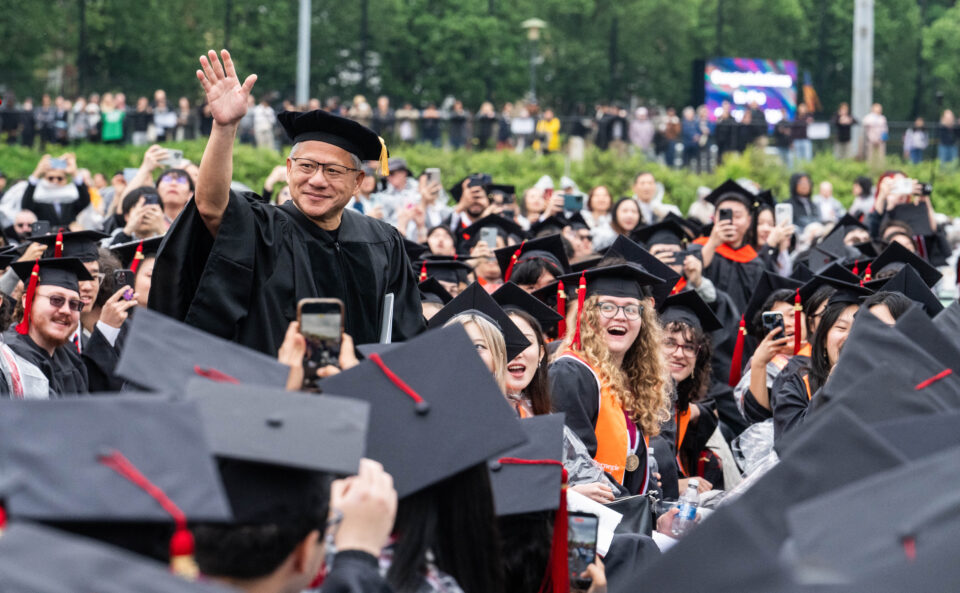
Which Industries and Jobs Will Be Transformed by AI?
Huang emphasized that because intelligence is foundational to every industry, every industry will change. He specifically listed electricians, plumbers, ironworkers, technicians, and all kinds of builders as beneficiaries of AI-driven opportunities. AI is not limited to tech jobs; it augments and automates tasks across manufacturing, logistics, healthcare, agriculture, and more. Huang sees AI enabling smarter infrastructure, from energy grids to transportation. The reindustrialization he described will require skilled workers in both traditional trades and new tech roles. This broad impact means graduates from any discipline can find ways to apply AI in their field.
How Did Huang Address Fear and Uncertainty About AI?
Huang acknowledged that massive industrial and economic shifts always bring uncertainty. “Every major technological revolution in history created fear alongside opportunity,” he said. However, he argued that when society engages technology openly, responsibly, and optimistically, it expands human potential far more than it displaces. He encouraged graduates to approach AI with a mindset of building and reinvention. The narrative of AI replacing jobs is only half the story; AI also creates new roles and enhances human capabilities. By embracing AI, graduates can help shape a future where technology serves everyone. Huang’s message was one of cautious optimism—recognizing risks but focusing on the immense potential for good.
What Specific Advice Did Huang Give to Graduates?
After wishing mothers a happy Mother’s Day, Huang told graduates to turn to their families and appreciate their support. He then urged them to see themselves as standing at the start of a new industrial era, with the power to define what comes next. His core advice: realize your dreams now, because the timing is perfect. He encouraged them to be open to reinvention, just as America itself is reinventing through AI. Huang also hinted that graduates should think like builders—whether in tech or trades—and seize the opportunity to reindustrialize the nation. His speech was a call to action: use AI to close the technology divide and shape a more inclusive future.