Introduction
Amazon has launched a new pilot program in Washington, D.C., replacing traditional delivery vans with a fleet of battery-powered cargo bikes. This initiative, known as "MicroFreight DC," is a ten-month collaboration with the District Department of Transportation (DDOT). The program aims to reduce traffic congestion, lower emissions, and improve last-mile delivery efficiency in dense urban areas.
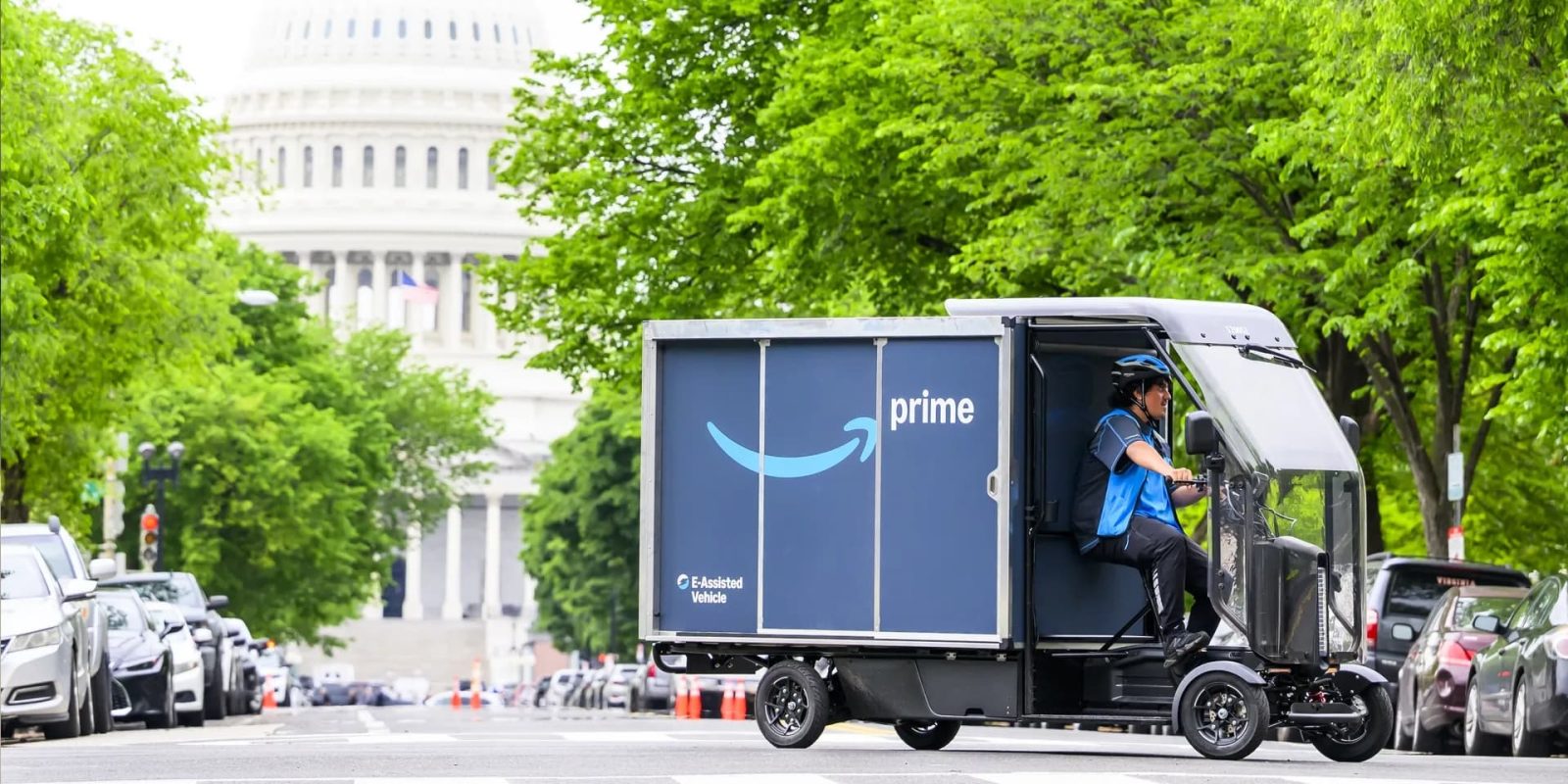
The MicroFreight DC Pilot Program
Under MicroFreight DC, Amazon Delivery Service Partners will use e-cargo bikes to make neighborhood deliveries. These bikes are designed to carry large payloads—similar to the capacity of a small van—but without the associated environmental footprint. The pilot covers specific zones in D.C., where the bikes can navigate narrow streets and avoid parking issues that plague traditional vehicles.
The program is structured to collect data on delivery times, traffic impact, and customer satisfaction. If successful, Amazon may expand the model to other cities as part of its broader sustainability strategy.
Why E-Cargo Bikes?
Electric cargo bikes offer several advantages over conventional delivery vans in urban environments:
- Reduced Emissions: They produce zero tailpipe emissions, helping cities meet air quality targets.
- Less Congestion: Bikes take up less road space and can use bike lanes or pedestrian zones.
- Noise Reduction: Electric motors are nearly silent, minimizing noise pollution in residential areas.
- Parking Efficiency: They can be parked on the curb or in designated bike racks, avoiding double-parking fines and traffic blockages.
Last-Mile Delivery Efficiency
In dense cities, the "last mile" of a delivery—the final leg from a distribution hub to the customer—is often the most costly and time-consuming. E-cargo bikes can bypass traffic jams and access restricted zones, cutting delivery times by an average of 20-30% compared to vans in similar conditions. This efficiency benefits both Amazon and its customers.
How the E-Cargo Bikes Work
Amazon's e-cargo bikes are built for heavy-duty use. Key specifications include:
- Battery Range: Typically 30-50 miles per charge, sufficient for a full day of urban deliveries.
- Payload Capacity: Up to 350 kg (770 lbs), enough to hold multiple packages similar in volume to a small van load.
- Speed: Pedal-assist up to 25 km/h (15.5 mph) in most models, compliant with local e-bike regulations.
- Cargo Area: Enclosed or open containers, often with weatherproof covers to protect packages.
The bikes are recharged overnight at local micro-hubs or Amazon delivery stations. Drivers undergo training on safe handling, cargo securing, and urban riding etiquette.
Environmental and Community Impact
The MicroFreight DC pilot aligns with Amazon's Climate Pledge to reach net-zero carbon by 2040. By replacing van trips with e-cargo bikes, the program is projected to reduce CO2 emissions by thousands of kilograms per year per bike. Additionally, the bikes reduce traffic congestion, leading to fewer idling vehicles and lower overall pollution.

For nearby residents, the shift means quieter streets, better air quality, and reduced wear on road infrastructure. Local businesses may also benefit from fewer delivery truck parking conflicts.
Challenges and Considerations
While promising, e-cargo bike deliveries face hurdles:
- Weather Dependence: Rain, snow, and extreme heat can reduce rider comfort and battery performance.
- Range Limitations: Longer routes or heavy loads may require mid-day battery swaps or recharging.
- Infrastructure Needs: Bike lanes, secure parking, and micro-hubs must exist or be built.
- Driver Safety: Riders share roads with cars and trucks, requiring robust safety protocols.
Amazon is testing solutions like weather-resistant cargo covers, battery-swapping stations, and dedicated bike lanes through partnerships with cities like D.C.
Expansion and Future Plans
Amazon already uses e-cargo bikes in several European cities, including London, Paris, and Munich. The D.C. pilot marks a significant step in the U.S., where urban logistics are ripe for innovation. If MicroFreight DC proves successful, Amazon plans to roll out similar programs in other American cities such as New York, San Francisco, and Seattle.
Moreover, the company is investing in light electric vehicles (LEVs) and centralized micro-hubs to create a network of zero-emission deliveries. The D.C. pilot will provide critical data to refine operations and scale up.
Conclusion
Amazon's MicroFreight DC pilot represents a forward-thinking approach to urban logistics. By leveraging e-cargo bikes, the company tackles congestion, pollution, and inefficiency—all while maintaining delivery speed and capacity. As cities push for greener transport, such initiatives could become the new normal for last-mile delivery. The ten-month trial in Washington, D.C. will be a key test of this concept's viability on a larger scale.