The Problem: Reinventing the Wheel
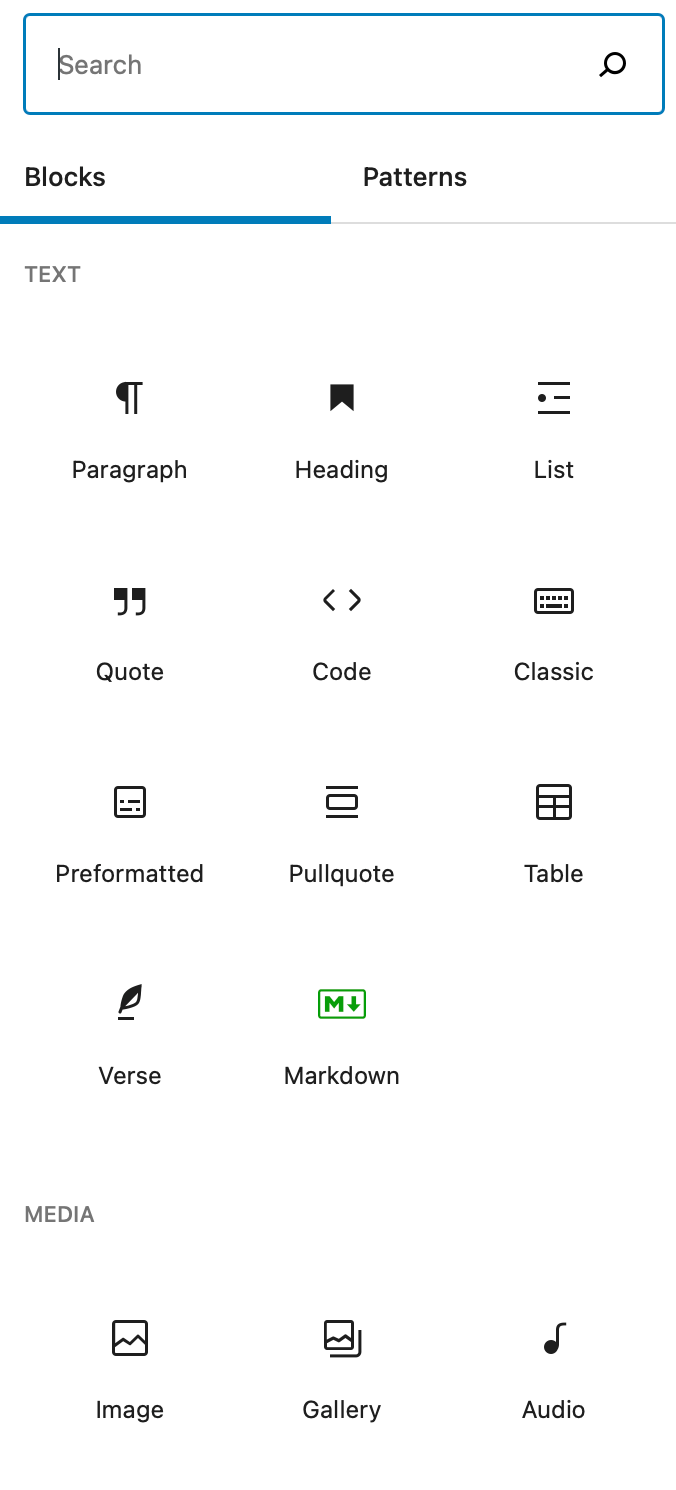
If you've used modern blogging tools, note-taking apps, or content management systems, you've likely encountered block-based editors. The idea is simple: content is composed of discrete units—paragraphs, images, lists, and more—that you can insert, rearrange, and style individually. WordPress, Medium, Notion, and countless other platforms have embraced this paradigm, often using the / key to summon a menu of available blocks. While this design has become near-universal, its implementation remains stubbornly proprietary. Each application builds its own block system from the ground up, meaning that a calendar block created for one editor cannot be reused in another. Developers must repeatedly code identical features, and users are confined to whatever blocks their chosen app happens to support. This fragmentation stifles innovation and limits the richness of the web experience.
Introducing the Block Protocol
To break this cycle, a new initiative called the Block Protocol aims to standardize how blocks are embedded and used across the web. The protocol is open, free, and non-proprietary—anyone can adopt it without licensing fees or restrictions. At its core, it defines a simple contract: any application that follows the protocol can host any block that also conforms to it. This means a blog engine built to support the protocol can instantly offer thousands of block types created by a global community, without having to implement them individually. Similarly, a block developer can write code once and have it work in WordPress, Notion, or any other compatible editor.
What Qualifies as a Block?
Almost any piece of content can be a block under this protocol. The original vision includes:
- Basic text elements like paragraphs, headings, lists, and tables
- Rich media such as images, videos, and interactive diagrams
- Advanced widgets like Kanban boards, order forms, calendars, and charts
- Components that interact with structured or typed data (e.g., a contact card that pulls from a database)
Essentially, if it makes sense in a document or on a web page, it can be packaged as a block. This flexibility ensures the protocol can evolve with new use cases.
Benefits for Developers and Users
For application developers, adopting the Block Protocol reduces development time dramatically. Instead of coding every block type from scratch, they write a small piece of embedding code once. Their users then gain access to a universe of blocks created by others. For block creators, the incentive is equally clear: a single block can reach audiences across multiple platforms, maximizing impact and encouraging high-quality, well-maintained components. The result is a win-win: users get richer, more diverse content tools, and developers can focus on core features rather than reinventing basic blocks.

The protocol also fosters an open-source ecosystem. The team behind it has released an early draft of the specification and built sample blocks and a simple editor to demonstrate the concept. They invite developers to contribute to a growing library of blocks, hosted openly for anyone to use or adapt.
Current Status and How to Get Involved
As of now, the Block Protocol is in its early stages. The draft specification is available for review, and a few basic blocks (e.g., a simple text block, an image block) have been implemented in a test editor. The project’s immediate goal is to gather feedback from the community, refine the protocol, and encourage wider adoption. If you work on any editor—whether for blogging, note-taking, or content management—you are encouraged to experiment with embedding blocks that conform to the protocol. By doing so, you can offer your users a vastly expanded toolkit while contributing to a more open, interconnected web.
The hope is that the Block Protocol will become a universal standard, much like HTML or HTTP, making blocks truly interchangeable. The web was built on open standards, and blocks deserve the same treatment.